
Brand StrategyMarketing Dive
CPG challenger brands reset packaging expectations
CPG challenger brands connect distinctive packaging with product use. The practical question is what competitors can copy and what customers value.

Overseas trademark protection requires more than owning a Korean registration. Export teams should map the territories where they will sell, check each marketplace’s protection requirements and align those checks with launch planning before suspected counterfeit listings become an urgent problem.
It does not automatically become a registration in every destination market. The contributed article published by Mobiinside on October 27, 2026 argues for checking rights before overseas expansion. Treat that as a launch-planning question, rather than a complete description of every legal remedy available in a particular dispute.
The WIPO Madrid System overview describes a route for seeking trademark protection across participating jurisdictions. A common application route is not a promise of identical outcomes everywhere. Commercial plans should identify where protection is needed before a team chooses a filing route.
A marketplace protection program and a national trademark right answer different questions. Amazon’s official eligibility guidance, checked on November 2, 2026, accepts active registered or pending trademarks from approved intellectual property offices. Teams should therefore avoid claiming that every application requires a completed US registration. Enrollment also should not be described as resolving every possible cross-border infringement issue.
| Planning question | Information to collect |
|---|---|
| Where will the brand sell? | Launch territories, planned expansion and brand names |
| Which marketplaces will it use? | Accepted offices, trademark status and naming requirements |
| Where are goods produced? | Production locations and supply relationships for review |
These are business inputs for a rights assessment. They do not replace jurisdiction-specific advice or prove that a disputed listing is infringing.
Our practical recommendation is to make rights preparation a named part of the campaign calendar. A media team can prepare translated creative before anyone has checked whether the same brand name, packaging and trademark records are aligned. Giving that check an owner reduces uncertainty at launch; it does not guarantee an enforcement result.
For suspected counterfeits, keep the listing address, seller identity as displayed, observation date, screenshots and relevant packaging comparisons. Preserve what was observed instead of treating visual similarity as a final legal finding. That makes a subsequent platform report or professional review easier to prepare.
Traceability is also the operating theme in Marketplace sales need a path back to each order. Sales records and infringement evidence serve different purposes, but both become more useful when a team can identify the seller, product and date behind an entry. A launch checklist can record those details alongside the responsible reviewer and the next review date.
This article draws on the Mobiinside contribution while excluding its law-firm promotion. Filing decisions and dispute responses still require a check of the relevant local rules.
No. The required protection must be assessed for the relevant territories, marks and goods.
Its guidance describes registered or pending trademarks from approved offices. Check the applicable enrollment requirements before applying.
Keep the listing URL, displayed seller identity, observation date, screenshots and relevant product comparisons for review.
To apply what you just read to your own site, start with a free audit of where things are now.
A strategist replies within one business day.
CPG challenger brands connect distinctive packaging with product use. The practical question is what competitors can copy and what customers value.

E.l.f. Y2K marketing connects customer language with a comic story, offering a useful test for whether nostalgia serves the product.
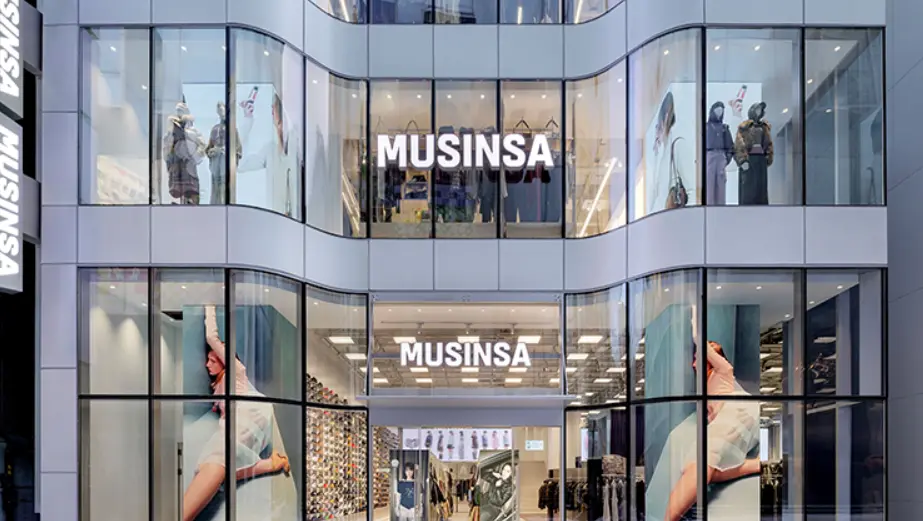
Musinsa community commerce offers questions for demand validation. Separate member interest, buying conditions and supplier needs before scaling a marketplace.