
Brand StrategyMarketing Dive
E.l.f. Y2K marketing turns product talk into a story
E.l.f. Y2K marketing connects customer language with a comic story, offering a useful test for whether nostalgia serves the product.
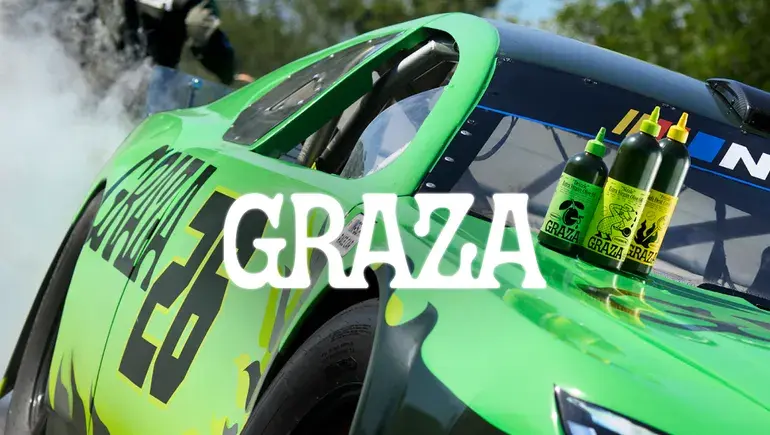
CPG challenger brands influence more than advertising style. Their packaging and product choices can change what customers expect from a category, giving established companies a reason to study how a smaller rival earns recognition and repeat use.
Marketing Dive's October 22, 2026 overview brings together changes in product design, packaging and marketing. It describes an industry pattern, not a controlled comparison proving that every challenger follows the same route to growth.
Graza provides a concrete example through its squeeze-bottle approach to olive oil. The useful strategic connection is between how a product is handled and how it is recognized. A visible pack can carry a functional idea, rather than act only as a container for a logo. The report also includes the company's observation that similar formats have appeared elsewhere; that observation should not be mistaken for a complete market census.
A physical format is easier to observe than the customer relationship around it. Our interpretation is that teams need to assess the full promise: what the product does, how people recognize it and whether later products make sense beside it. Copying one surface feature does not answer those questions.
| Area to assess | Visible signal | Question that remains |
|---|---|---|
| Use experience | Shape and handling of the pack | Does it solve an actual customer problem? |
| Recognition | Colors and package identity | Can customers identify the brand quickly? |
| Expansion | Entry into another product type | Does it fit the promise customers already know? |
Our recommendation is to observe how people use the product before collecting rival campaign ideas. Note where they hesitate, what they repeatedly adjust and which feature they mention when recommending it. Those observations can inform both a product improvement brief and a communication brief.
For a team with limited resources, the next decision is what deserves repetition. A demonstrable use benefit, a recognizable package and consistent language can give different assets a shared subject. This is a planning recommendation, not a claim that smaller budgets guarantee stronger results. Creative distinctiveness still needs a product experience capable of sustaining the promise.
Liquid I.V. hires Jenny Danzi to deepen cultural reach offers related context on brand direction and cultural connection. The focus here is narrower: how product use and recognizable cues support each other.
Acquisition interest can signal that established businesses see value in a challenger. It is not a substitute for evidence about why consumers choose the product. Keep the transaction story separate from the customer question when deciding what another brand should apply.
The overview also discusses packaging and product choices that influence established companies.
It connects a product's handling with a recognizable package, making use experience part of the brand idea.
No. A transaction can signal interest without proving a universal formula or the performance of an individual campaign.
To apply what you just read to your own site, start with a free audit of where things are now.
A strategist replies within one business day.
E.l.f. Y2K marketing connects customer language with a comic story, offering a useful test for whether nostalgia serves the product.
Musinsa community commerce offers questions for demand validation. Separate member interest, buying conditions and supplier needs before scaling a marketplace.

Overseas trademark protection needs a market-by-market plan. Check selling territories, marketplace eligibility and evidence handling before launch.