Brand StrategyMarketing Dive
CPG challenger brands reset packaging expectations
CPG challenger brands connect distinctive packaging with product use. The practical question is what competitors can copy and what customers value.
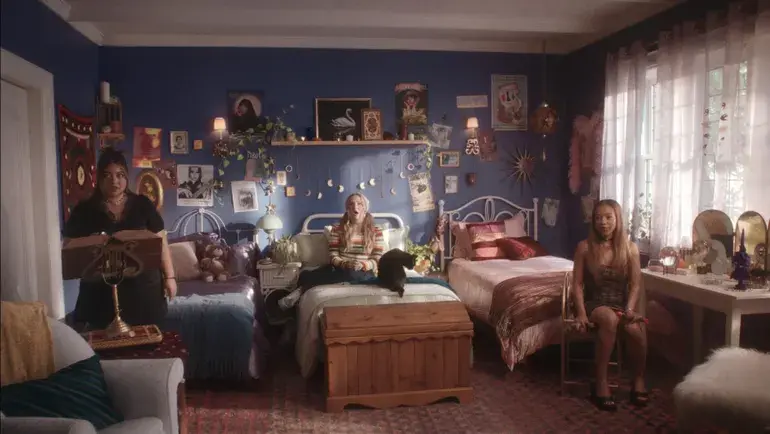
E.l.f. Y2K marketing connects a nostalgic entertainment format to the way customers describe its makeup. The useful lesson is the link between a product experience and a story premise, rather than the simple reuse of an older visual style.
Marketing Dive's October 23, 2026 report describes a campaign inspired by customer descriptions of the products as magical. That language became a way to connect makeup with a comic narrative about sisters and supernatural powers.
The strategic distinction is between a recognizable reference and a relevant reference. Nostalgia can give viewers an entry point, but the product still needs a reason to exist inside the story. Our reading is that this campaign's premise supplies that connection. It is an interpretation of the creative structure, not independent evidence of how every audience segment responded.
The report identifies E.l.f. Made as the internal operation behind the idea, while also describing collaboration with outside creative talent. Internal ownership of a campaign does not mean every production role must be kept inside the company. For a marketing team, the more useful question is who keeps the customer insight intact as the concept passes through writing, performance and production.
| Creative input | Role in the story | Question for another brand |
|---|---|---|
| Customer product language | Gives the premise a product connection | Does this wording recur in real feedback? |
| Familiar cultural cues | Helps establish a genre quickly | Does the reference support the product experience? |
| Characters and comedy | Gives the audience a reason to keep watching | Does the scene work beyond the sales line? |
Our recommendation is to start with the language customers already use about a product. Separate descriptions of texture, occasions and satisfaction, then consider which could support a demonstration and which could support a narrative. Before turning a customer's phrase into a marketing claim, check what evidence the claim would require.
A practical brief places the customer observation next to the proposed scene. If the connection takes a long explanation, the team may be attaching a fashionable reference without enough product relevance. Another useful test is substitution: if a competing product can replace the featured item without changing the scene, the product's role may need more work.
Liquid I.V. hires Jenny Danzi to deepen cultural reach offers related context on connecting culture and brand direction. The transferable idea is a decision process grounded in customer understanding, rather than a requirement to copy a particular entertainment genre.
Evaluation should preserve the same discipline. Audience enjoyment, product interest and purchase behavior answer different questions. Agree on evidence for each before production, so enthusiastic comments do not become an unsupported claim of incremental sales.
The report traces the premise to customer descriptions of the makeup as magical.
No. The report describes an internally conceived campaign produced with external creative collaborators.
Connect recurring customer language to a product experience before choosing an entertainment reference.
To apply what you just read to your own site, start with a free audit of where things are now.
A strategist replies within one business day.
CPG challenger brands connect distinctive packaging with product use. The practical question is what competitors can copy and what customers value.

Musinsa community commerce offers questions for demand validation. Separate member interest, buying conditions and supplier needs before scaling a marketplace.

Overseas trademark protection needs a market-by-market plan. Check selling territories, marketplace eligibility and evidence handling before launch.