Brand MarketingMarketing Dive
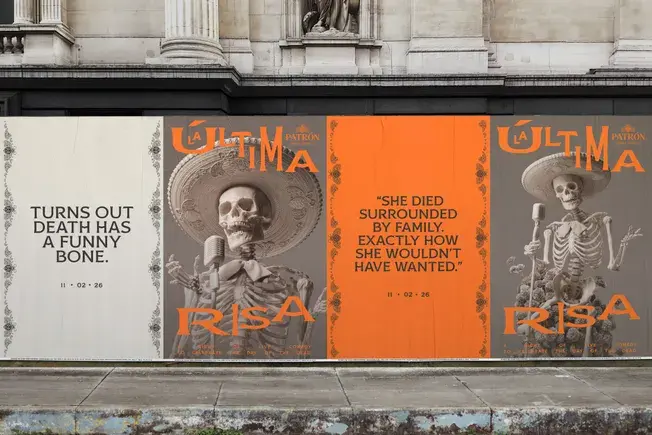
Patrón Día de Muertos Comedy Show: A Cultural Playbook
Patrón is marking Día de Muertos with a one-night comedy show in New York. How it handles a cultural holiday authentically and what other brands got wrong.
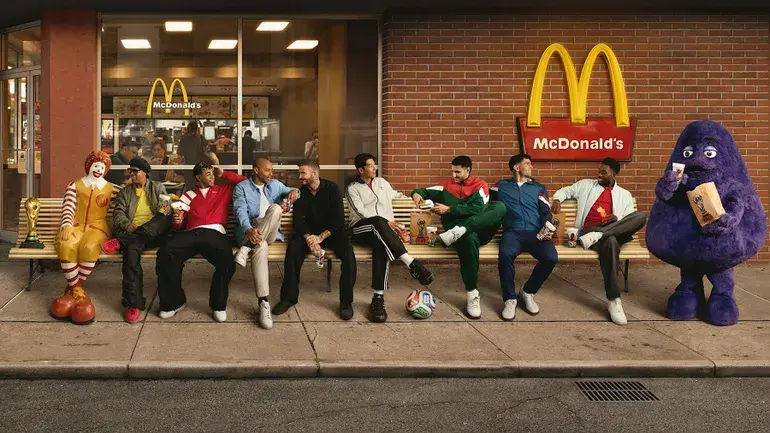
McDonald's FIFA sponsorship is ending because a record World Cup campaign did not bring more people into restaurants. The chain, a FIFA partner since 1994, is shifting money toward sponsorships that reach fans every week, such as stadium naming rights and regional racing deals (Marketing Dive, as of October 27, 2026).
McDonald's ran its largest-ever World Cup campaign this year across more than 100 markets. Yet same-store sales grew only 0.8% in the second quarter of 2026, and the company attributed roughly one third of its traffic decline to the World Cup push. CFO Ian Borden said plainly that the campaign fell short of expectations.
The bill was large. SponsorUnited estimates McDonald's paid about $80 million for the 2026 cycle. Its CEO, Bob Lynch, added that activation, meaning the ads, in-store promotions and packaging that bring a sponsorship to life, likely cost another $70 million to $100 million. In other words, the rights fee was only half the real price.
| FIFA World Cup | New focus | |
|---|---|---|
| Frequency | Once every four years, one intense month | Every match, all season |
| Where fans see the brand | Global broadcast | Stadiums and local communities |
| Examples | Official World Cup partner | Ligue 1 and Chicago Fire FC stadium naming rights, F1 in Latin America |
| Cost structure | Large rights fee plus large activation | Smaller fees, always-on activation |
McDonald's is still the second-biggest quick-service spender on North American team sports, behind Chick-fil-A. The change is not an exit from sports. It is a move from one global moment to many local ones, which gives CMO Morgan Flatley's team more chances to tie sport to menu and value messages.
When we review sponsorships for Korean brands, we ask one question first: what changes in stores and carts the week after the event ends?
Source: Marketing Dive
McDonald's sponsored FIFA from 1994 until the end of the 2026 World Cup cycle, roughly three decades.
Same-store sales rose just 0.8% in Q2 2026, and McDonald's linked about a third of its traffic decline to the campaign.
SponsorUnited estimates about $80 million in rights fees for the 2026 cycle, plus $70 million to $100 million in activation.
No. It is shifting to always-on deals such as Ligue 1 and Chicago Fire FC stadium naming rights and F1 in Latin America.
To apply what you just read to your own site, start with a free audit of where things are now.
A strategist replies within one business day.
Patrón is marking Día de Muertos with a one-night comedy show in New York. How it handles a cultural holiday authentically and what other brands got wrong.
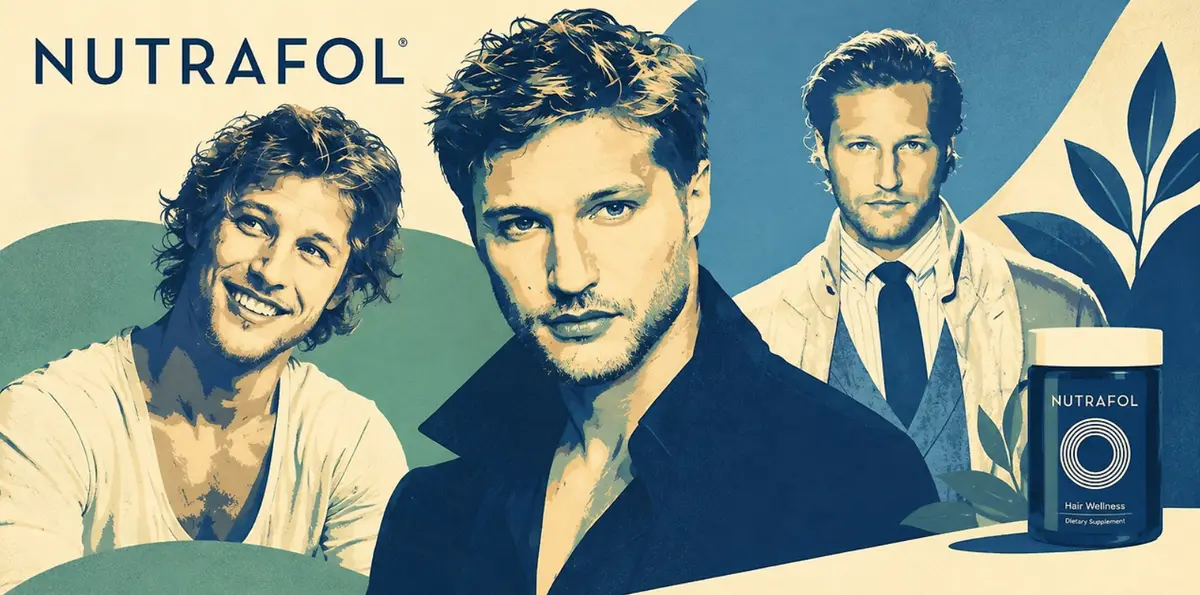
Nutrafol connected a patented complex and clinical research with dermatologist trust and subscriptions. Explore the lessons for D2C health brands.
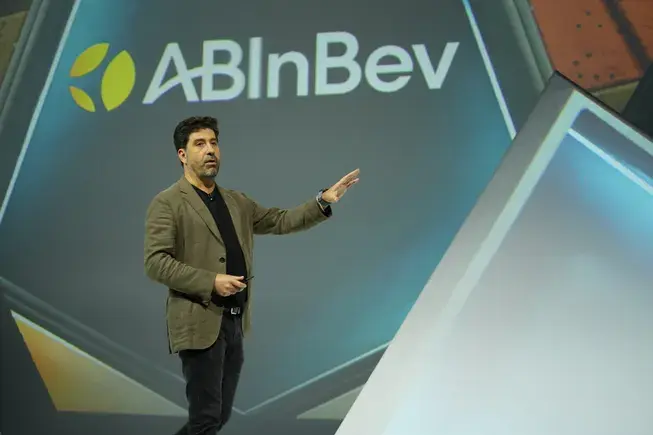
How did AB InBev pair creative awards with 11% revenue growth? CMO Marcel Marcondes explains its megabrand strategy, experience platforms with 2x media ROI, and why it tracks share of engagement instead of impressions.