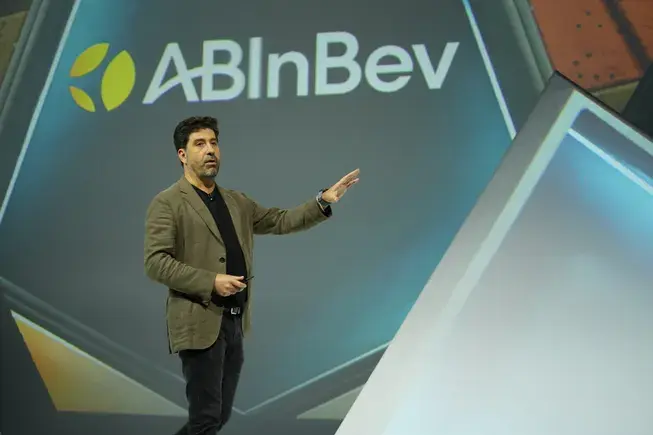
In May, AB InBev became the first company to be named Cannes Lions Creative Marketer of the Year three times. But global CMO Marcel Marcondes told the ANA Masters of Marketing audience on Oct. 21 that the award matters only because creativity is driving growth — including an 11% revenue increase in Q2 2026. His talk is a practical case study in creative effectiveness for any brand moving from acquisition-led to organic, brand-led growth.
Megabrands: from 500 invested brands to 50
AB InBev runs more than 500 brands but assigns each a role per market using an inverted pyramid: megabrands as the main growth drivers, then expansion brands, defense brands and brands to deprioritize.
- SKUs cut by 25% in the last couple of years
- Brands receiving meaningful investment cut from 500 to 50
- 60% of volume now sits in megabrands, which receive more than 60% of investment
“These are the brands that will drive the future,” Marcondes said, “and… require disproportionate levels of investment.”
Consistency compounds
Rather than chasing buzz, AB InBev targets the intersection of consumer needs and business problems. Its Balanced Choices portfolio — no-alcohol, low-calorie, low-carb, gluten-free and zero-sugar options — now makes up about 10% of beer revenue. Yet legacy brands still need protection. Corona, which turned 100 in 2025, has kept its nature-and-lime story consistent, growing 65% in five years to become the world’s most valuable beer brand per Kantar BrandZ.
From advertiser to experience provider
Citing a StubHub report that nearly 70% of consumers plan to spend more on experiences, AB InBev is building mega platforms around sports, music, streaming and travel — passion points that are also beer occasions. Across the World Cup, the Olympics, Wimbledon and Tomorrowland, it reports ROI two times higher than traditional media. This year it became exclusive beer and cider partner for Live Nation properties in the UK, and with Netflix it co-produced Stella Artois content for season two of “The Gentlemen.”
Technology as an enabler, engagement as the metric
- 30 hours with consumers: inspired by pilots’ flight hours, commercial leaders must spend at least 30 hours a year meeting consumers directly; the company has passed 50,000 hours. Those insights feed digital twins and synthetic audiences.
- Social listening in 200 markets: in-house agency Draftline uses AI to track culture, which let Michelob Ultra turn a New York Knicks playoff moment into an ad within hours.
- Share of engagement: “We don’t track impressions, because we can buy impressions. We track share of engagement,” Marcondes said.
Takeaways for marketers
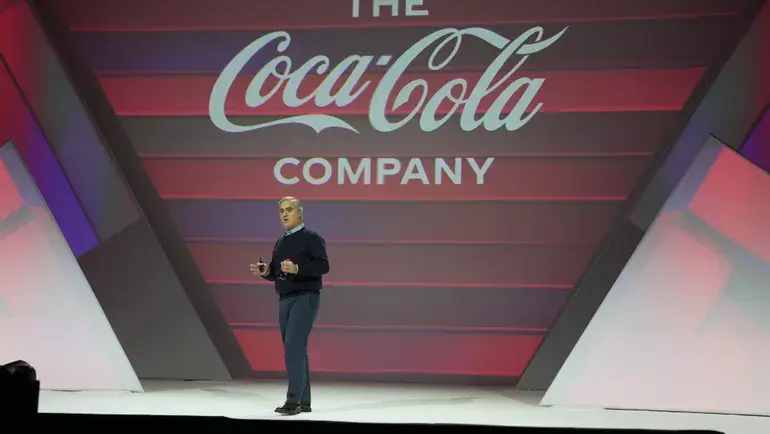
- Give every brand or product a role. Spreading budget evenly grows nothing; Coca-Cola made a similar point at the same event after cutting its portfolio to about 170 brands.
- Turn sponsorships into experiences. Even in markets where drinking volume is falling, buying persists — see Korea’s alcohol consumption trends — and Courvoisier’s house-party campaign shows the same shift.
- Measure what you have to earn, not what you can buy. Share of engagement versus competitors makes content quality the competitive lever.