Social MediaSocial Media Today
Edits desktop test expands the editing workflow
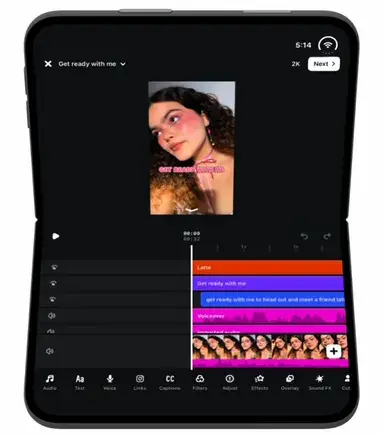
Edits desktop is in limited testing, while a separate iPhone Duo interface update points to new ways of arranging video work.
TikTok US fake account enforcement figures show why follower totals should not be treated as a direct count of real customers. The report describes US enforcement activity during a quarter, not the proportion of fake accounts across TikTok or the waste rate of an advertiser's campaign.
Account removals, blocked registrations and follower relationships are different units. Social Media Today's October 25, 2026 report covered TikTok USDS activity from April 1 through June 30, 2026. It said the company removed 14.6 million fake accounts and stopped 64.8 million spam accounts from being created.
The reported activity also included 781.4 million fake followers removed and 403.2 million fake follow requests prevented. These figures cannot be added together as if they represented distinct users: a single account can create multiple relationships or requests.
| Reported measure | Volume | Interpretation limit |
|---|---|---|
| Fake accounts removed | 14.6 million | Does not reveal the share still present |
| Spam registrations prevented | 64.8 million | Separate from removing an existing account |
| Fake followers removed | 781.4 million | Relationships are not unique people |
| Fake follow requests blocked | 403.2 million | Attempts are not completed follows |
All figures in this table refer to the US Q2 2026 reporting period, as relayed by Social Media Today from TikTok USDS. They should not be generalized to another country or timeframe without additional evidence.
No. More recorded removals could reflect a larger problem, better detection, a different enforcement approach or a combination. Without a suitable denominator, the figures do not establish the prevalence of inauthentic activity. They also do not prove that a particular creator or advertiser has bought fake engagement.
The report discusses enforcement against regulated goods and covert influence activity as well. Those are platform-level categories, not a shortcut for judging an individual partner. A campaign team still needs evidence specific to the account and the work it plans to commission.
Use follower counts as one input in a collaboration review. Examine the context of recent comments, the pattern of engagement and what visitors do after following a measurable link. A sudden change should prompt questions about content, promotion and reporting changes before an accusation of fraud.
Contracts can define the content to be delivered and its publication period, while performance reporting can distinguish visits, qualified inquiries and purchases. These are our suggested practices, not new TikTok partnership rules announced in the report.
For another example of platform enforcement and content cleanup, see YouTube spam policy test offers a cleanup window. The procedures differ, but both illustrate why enforcement activity needs context before it informs a marketing decision.
Sources: Social Media Today, October 25, 2026; TikTok USDS Q2 2026 reporting page.
The figures concern US enforcement from April 1 through June 30, 2026.
No. Follower relationships and unique accounts are different counting units.
No. They lack the campaign-level evidence and denominator needed to measure an advertiser’s waste rate.
To apply what you just read to your own site, start with a free audit of where things are now.
A strategist replies within one business day.
Edits desktop is in limited testing, while a separate iPhone Duo interface update points to new ways of arranging video work.

Australia algorithmic opt-out discussions raise questions about feed choice and reach. Separate consultation proposals from final requirements.

Meta Muse Singapore connects local shopping and travel services. Check the staged rollout and purchase approval steps before planning a campaign.