Social MediaSocial Media Today
Edits desktop test expands the editing workflow
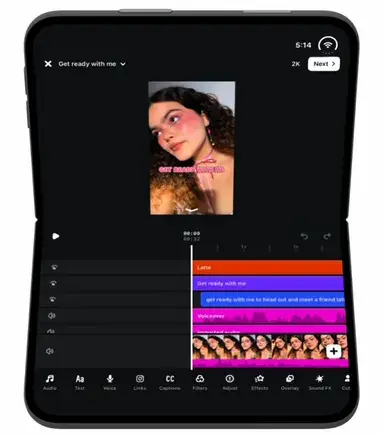
Edits desktop is in limited testing, while a separate iPhone Duo interface update points to new ways of arranging video work.

Meta Muse Singapore brings a personal AI agent closer to local shopping and travel services. The launch matters for commerce teams because a comparison request can lead toward a transaction, although partner connectors are rolling out progressively rather than arriving all at once.
The local partner ecosystem gives the agent more services to work with. In its October 27, 2026 announcement, Meta named Shopee, Grab, Singapore Airlines, Agoda, ShopBack, Klook, Trip.com and Lazada as early connector partners. It described tasks across shopping, food and travel.
The company also described connections with Gmail, Google Calendar and Instagram. These can supply context for everyday tasks. Availability still needs checking: Meta explicitly said some connector experiences would arrive after launch. A brand should not turn a partner list into a promise that every customer can complete every task today.
Meta says users choose the access they give Muse and receive a check before sensitive actions, including a purchase or an email being sent. Product research and final purchase approval therefore remain separate moments in the journey.
| Journey stage | Suggested brand check |
|---|---|
| Comparing candidates | Keep product specifications and options consistent |
| Checking availability | Verify service access for the relevant market and account |
| Approving an order | Make delivery charges and returns clear at checkout |
These are our operational suggestions, not published Muse merchant eligibility rules. The announcement does not establish a ranking formula or guarantee exposure for a particular seller.
Start with the product information already visible on your sales channels. If delivery coverage or variant names differ across listings, it becomes harder for a customer to decide whether two offers are comparable. Clean information is useful preparation even before a team knows how much agent-assisted demand it will receive.
Then test the handoff from a product comparison to the live order page. Record where conditions change and where a buyer must make a decision. Avoid reporting research activity as a completed sale. Any plan to measure these stages should first check the data actually available to the merchant; Meta has not promised the reporting described here.
For the earlier shopping-use context, see Meta Muse Shopping: 10M Downloads, 25% of Users Ask for Purchase Help and $200+ Average Orders. That broader discussion should be kept separate from this specific Singapore connector rollout.
Sources: Meta launch announcement, October 27, 2026; Social Media Today, October 28, 2026.
It concerns availability in Singapore; the same connector experience should not be assumed in every market.
Meta says features will roll out progressively, with some experiences arriving after launch.
Meta says the user is checked before sensitive actions such as a purchase.
To apply what you just read to your own site, start with a free audit of where things are now.
A strategist replies within one business day.
Edits desktop is in limited testing, while a separate iPhone Duo interface update points to new ways of arranging video work.
TikTok US fake account figures distinguish removals from blocked attempts. Learn what Q2 enforcement counts can and cannot say about creator quality.

Australia algorithmic opt-out discussions raise questions about feed choice and reach. Separate consultation proposals from final requirements.