
MarketingMarketing Dive
Disney TikTok Shop Builds a Multi-Brand Holiday Event
Disney TikTok Shop brings licensed brands, early-access gifts and creator content into one holiday event. Here is what retail marketers can learn.

Algorithmic pricing raises different advertising questions depending on whether prices follow market conditions or information about an individual customer. For US-facing marketers, the starting point is to map the data, the offer and the location involved before treating any pricing approach as acceptable.
A Marketing Dive guest column distinguishes changes driven by demand, inventory or time from changes driven by customer information. Under the column's distinction, dynamic pricing can give everyone the same price under the same conditions, while personalized pricing varies an offer according to who the customer is.
The source is an opinion piece by Laura Brett, a partner at Simpson Thacher & Bartlett. This article summarizes the US issues and the author's analysis as of October 29, 2026. It does not independently establish the current law in a particular state or provide a legal conclusion about a business's campaign.
| Approach | Basis described in the source | Question for the campaign team |
|---|---|---|
| Dynamic pricing | Demand, inventory or time | Do comparable customers see the same price under the same conditions? |
| Personalized pricing | Customer information or behavior | Which signals are inputs to the price itself? |
| Segmented promotion | Eligibility for a specific offer | Are the eligibility conditions reflected in the advertisement? |
The author flags targeted coupons, retargeting offers and member prices as areas where different people may encounter different amounts for the same item. That observation is not a statement that all segmented discounts are prohibited. The point is to examine the rule behind the offer, how it is presented and the jurisdiction involved.
Advertising adds another layer. A broad price promise can create a different consumer expectation from an offer that clearly states who qualifies. Teams should therefore look at the connection between the audience setting, the creative, the product page and the conditions at checkout. This is an operational inference from the column, rather than a finding that a specific mismatch violates the law.
The column describes a patchwork of state approaches, including differences in scope, disclosures and enforcement. It presents New York's One Fair Price Act as a proposal awaiting a gubernatorial decision at the time of writing. That reported status should not be recast as an enacted nationwide rule.
The source also discusses federal scrutiny through consumer-protection and competition lenses. Its legal discussion is time- and jurisdiction-specific, as of October 29, 2026. A review for one state cannot simply establish what is permitted throughout the United States, and the column does not determine the position for campaigns in Korea or elsewhere.
The useful next step is a shared record of how targeting and pricing interact. If advertising and pricing teams maintain separate settings, neither may have a complete view of what the customer sees. A third-party tool can add another gap when its data inputs or sharing practices are unclear.
These steps help frame a review; they do not certify compliance. For teams assessing the relationship between campaign messaging and the purchase journey, Marketing services describes the available marketing support.
Source: Laura Brett's Marketing Dive column on algorithmic pricing. Statements about regulatory developments are limited to what the column reports as of October 29, 2026.
No. The source distinguishes market-driven changes from changes based on information about the individual customer.
No. The column raises questions about criteria, transparency and jurisdiction rather than finding that all member discounts are unlawful.
No. It summarizes a dated US opinion column and does not replace review of the relevant jurisdiction and actual campaign settings.
To apply what you just read to your own site, start with a free audit of where things are now.
A strategist replies within one business day.
Disney TikTok Shop brings licensed brands, early-access gifts and creator content into one holiday event. Here is what retail marketers can learn.
Google AI search ads are expanding while revenue growth slows. Learn which platform figures matter and what advertisers should verify themselves.
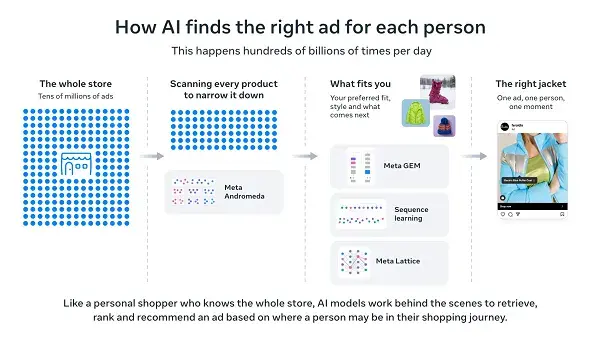
Meta ad AI improvements come with reported conversion gains. Separate the periods and test scopes before applying them to your own budget.