Social Media MarketingSocial Media Today
LinkedIn navigation test reorganizes menus and previews
The LinkedIn navigation test groups tools into fewer menus and shows more post text. See what is changing and how B2B teams can prepare their content.
The YouTube payment threshold is temporarily dropping from $100 to $20 for a randomly selected creator group. The test covers the United States, India and Indonesia, beginning with October 2026 payments. It changes access to earned funds, not the eligibility rules for joining the Partner Program.
Only creators selected for the experiment are covered by the reported change. Neither living in a test country nor running an eligible channel establishes that a particular creator has been selected.
Social Media Today's October 27, 2026 report relays YouTube's explanation of a temporary reduction to $20, or the equivalent amount in local currency. The previous dollar minimum cited is $100. Those figures describe the balance required for a payout; they do not describe an increase in the amount earned per view, a new revenue share or easier admission to monetization.
| Item | Conditions described in the report |
|---|---|
| Minimum balance | Reduced from $100 to $20, or local equivalent |
| Markets | United States, India and Indonesia |
| Participants | Randomly selected creators |
| Starting period | October 2026 payments |
| Status | Temporary experiment, with no universal rollout date stated |
Participants will receive a notification and can review updated payment activity in the mobile version of YouTube Studio. YouTube also says participants can set a higher threshold through AdSense for YouTube if that suits their preferences.
The account balance remaining is carried into the following month, according to the report. The announcement does not establish a guaranteed bank arrival date for every participant or say that other payment conditions have been removed. Creators should therefore verify the notice and their account details before treating a lower balance as spendable cash. A non-participating channel should not rewrite its payment forecast around the experiment.
Earlier access to existing revenue may matter to smaller producers funding ongoing work. That is a cash-flow issue rather than proof of stronger audience performance. A brand should not infer that creators will charge less for sponsored work because a platform changes when it releases advertising earnings. Sponsorship invoices and platform revenue distributions are separate commercial arrangements.
Keep reported earnings, confirmed payouts and collaboration invoices in separate records. This makes it easier to see whether an apparent improvement comes from content performance or simply from payment timing. For international creator programs, establish deliverables and contract payment terms directly instead of assuming every partner has the same platform payout settings. Our Services page describes support for planning content and creator activity around the needs of the campaign.
No. The report describes a temporary test with randomly selected creators in the United States, India and Indonesia.
The reported experiment concerns the minimum balance for receiving already earned Partner Program revenue. It does not announce new entry requirements.
YouTube says selected creators can change their threshold through AdSense for YouTube.
To apply what you just read to your own site, start with a free audit of where things are now.
A strategist replies within one business day.
The LinkedIn navigation test groups tools into fewer menus and shows more post text. See what is changing and how B2B teams can prepare their content.
Threads Friends is testing smaller audiences of up to 50 connections. Learn where the test runs and what members can see before planning brand use.
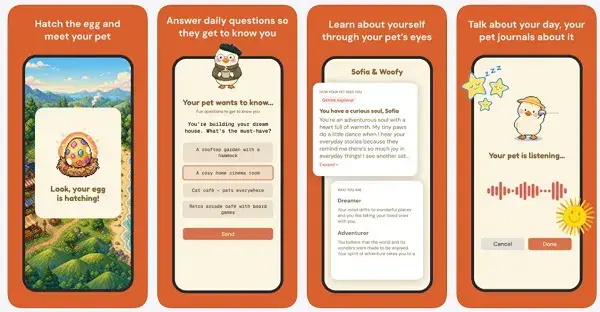
Meta AI experimental apps bring virtual pets and wardrobe suggestions to limited markets. Separate confirmed features from rollout and advertising assumptions.