
Social MediaSocial Media Today
X Holiday Ad Tips: Keep Copy to 50-100 Characters
X holiday ad tips from the platform itself: 50-100 character copy, a human tone, urgency, one destination and no hashtags. Plus how to show up in AI picks.
LinkedIn Pulse is the new name for the labor-market data LinkedIn used to publish as the Economic Graph. The hub draws on 1.4 billion members, 71 million companies and 42,000 skills to explain hiring trends and the effect of AI on jobs, and it is aimed at everyday users rather than researchers (Social Media Today, as of October 27, 2026).
The underlying data is not new. LinkedIn has long turned member profiles and job postings into workforce reports. What changes is the packaging and the audience.
| Item | Before (Economic Graph) | Now (LinkedIn Pulse) |
|---|---|---|
| Positioning | Research data brand | Insight hub for general users |
| Scale | Member, company and skill data | 1.4B members, 71M companies, 42,000 skills |
| Delivery | Mostly formal reports | Content made with journalists and experts |
LinkedIn says it will work with reporters such as Kaya Yurieff of Scalable to cover how AI is reshaping work. Chief marketing officer Jessica Jensen framed the launch as a way to use member data to explain a period of fast change in how people work.
LinkedIn Pulse was also the name of the platform's member publishing feature around 2015. Long-time users may remember it as a place to post articles, not a data hub. When sharing the new product internally or in content, add a descriptor such as "LinkedIn's workforce data hub" to avoid mix-ups.
Publishing data as content is also a way for LinkedIn to keep people on the platform longer. For advertisers that has two consequences. First, when the platform starts quoting its own metrics, those numbers tend to become the reference points for B2B content in the category. Second, AI and the future of work are likely to stay at the center of the LinkedIn feed, so brands with a credible angle on that topic will find more organic reach.
At BestPartner we suggest a simple routine for B2B clients: one short post per month that quotes an official platform statistic and adds the client's own interpretation. For a view of how other networks reward content, compare Meta App Growth: What Each Platform Wants to Show.
Source: Social Media Today
It is LinkedIn's renamed workforce data hub, formerly known as the Economic Graph, now packaged for general users.
As of October 2026 it is based on 1.4 billion members, 71 million companies and 42,000 skills.
No. The 2015-era LinkedIn Pulse was a member publishing tool. The new Pulse is a data and insight hub.
Cite skill and hiring trends in B2B content, and use growing skill groups as a starting point for LinkedIn ad audience tests.
To apply what you just read to your own site, start with a free audit of where things are now.
A strategist replies within one business day.
X holiday ad tips from the platform itself: 50-100 character copy, a human tone, urgency, one destination and no hashtags. Plus how to show up in AI picks.
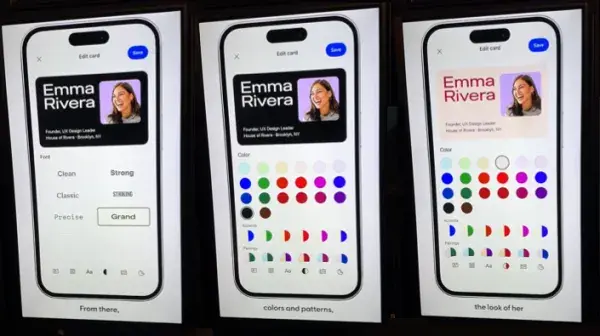
LinkedIn’s new digital business cards include a headshot, role and QR code and can be saved to a digital wallet. Here’s how they differ from its 2018 QR codes and why they matter for B2B networking.
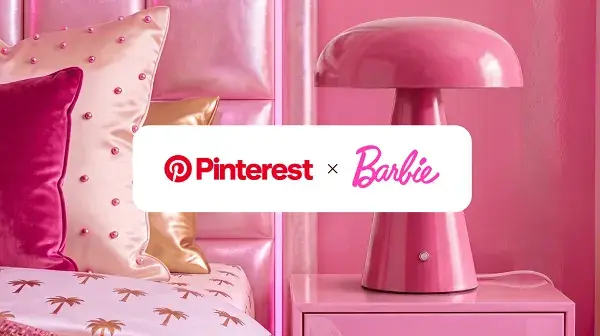
Pinterest’s AI room redesign tool Restyle now offers five Barbie DreamHouse styles. See the search data behind the Mattel tie-in, including a 562% jump in ‘pink whimsy wallpaper.’