
Technology & AI모비인사이드
AI motion graphics: briefing a 15-second brand video
AI motion graphics need a clear brief. A newsletter video case shows how timing, exact copy and brand assets guide more specific revisions.
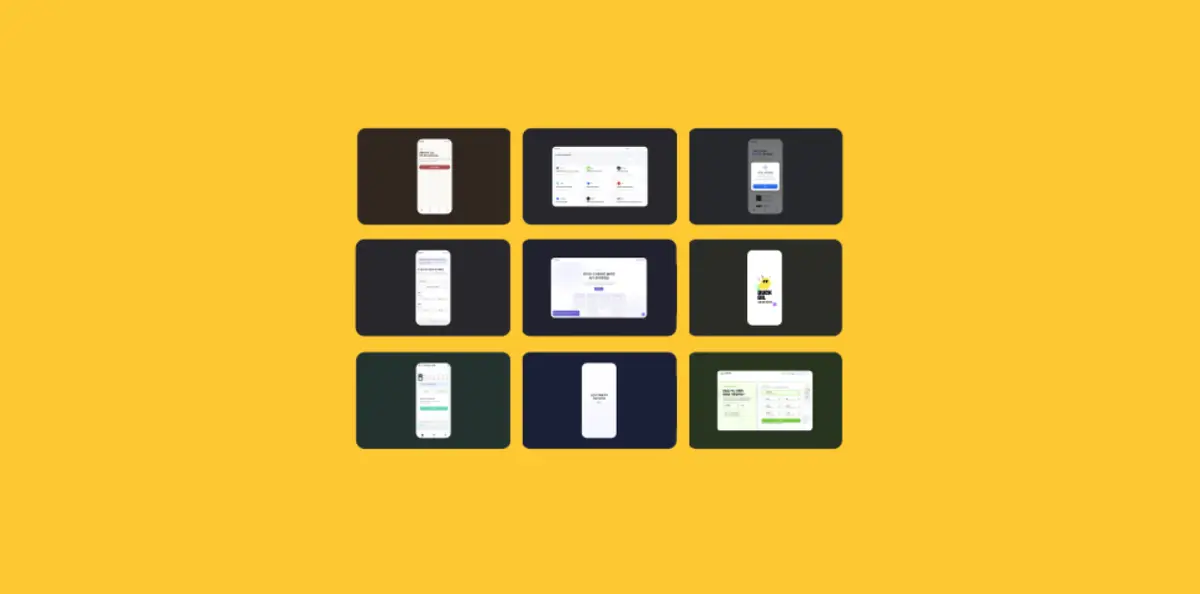
AI product validation means checking whether a defined user reaches a useful outcome after launch. A polished demo shows what was built; a defensible case study explains the intended action, what users actually did and why the team changed the experience.
It provides examples and a practitioner's perspective, rather than a benchmark for commercial success. In a Mobiinside column published on October 20, 2026, designer and career coach Woody presented 37 services and emphasized experience with users and measurement. The original column should be read as a curated account, not evidence that every featured product has achieved product-market fit.
The framework below is BestPartner's application of that idea to marketing work. It does not claim that the showcased products used these exact methods or achieved a particular conversion lift.
Start with a narrow user situation and a completed action. For a recording tool, a visit demonstrates exposure, while a successfully saved entry may be a more useful activation signal. The right event depends on the promise made to that audience.
Validate the measurement itself. A completion event that fires before a save succeeds can make a broken experience look effective. Keep the number of observed users beside percentages, especially when a small test can swing sharply after a few visits.
Treat a portfolio as a record of decisions. A useful case connects the acquisition message to an action inside the product and explains where that connection weakened. If a community post attracts the intended audience but people abandon the first task, review the promise and task burden before buying additional reach.
Do not attribute every before-and-after difference to the redesign. A different traffic source, a different audience or a different observation window can change the result. State those limits in the case study and use qualitative feedback to identify the next question rather than turning a small sample into a market-wide claim.
Teams can align acquisition and experience through a shared brief: intended audience, entry message, completion event and unresolved question. BestPartner's Services describe the related marketing work. The practical goal is an experience the team can explain with evidence, including evidence that a hypothesis needs revision.
No. It is a curated set of examples, not a commercial success benchmark.
Traffic shows exposure. Define an action that demonstrates the user received initial value.
Not by itself. Check traffic sources, audience composition and the observation window before assigning credit.
To apply what you just read to your own site, start with a free audit of where things are now.
A strategist replies within one business day.
AI motion graphics need a clear brief. A newsletter video case shows how timing, exact copy and brand assets guide more specific revisions.

Kakao Kanana Support Manager launches later this month with channel-aware AI answers, human handoff, previews and analytics for small businesses.

Enterprise AI failure often starts with vague workflows, inconsistent data, weak user involvement and inference costs—not model performance. Here is a safer pilot design.