
Marketing모비인사이드
Shin Ramyun Gold purchase penetration: what it shows
Shin Ramyun Gold purchase penetration fell after launch while the original product held up. Learn what receipt data can and cannot prove.

Agency strategists need to demonstrate better business decisions as AI makes research and briefing faster. A WARC survey shows optimism about the profession alongside rising concern about replacement. Those are compatible views: gaining time today does not establish a secure role tomorrow.
The findings describe how practitioners see their work, rather than measuring whether AI improves client results. Marketing Dive reported on November 2, 2026 that 66% of agency-side strategists saw clear reasons for optimism in WARC's Future of Strategy 2026 report. At the same time, 56% worried that AI would eventually become capable of replacing them, compared with 41% the previous year.
The research was conducted in August 2026 among 489 agency-side strategists. Of those respondents, 65% said AI created time for more nuanced strategic work, while 55% expected it to bring a renewed focus on human perspectives. The sample and the questions matter: these percentages are neither a forecast of job losses nor a controlled comparison of campaign performance.
Greater client influence can create an opening for strategy, but it is different from proving financial contribution. The client-influence measure cited in the report rose from 41% in 2025 to 50% in 2026. Yet 80% of respondents said stronger evidence of business impact was needed, and 57% saw a need for a different value proposition and compensation model.
Marketing Dive also presents a competing view: senior account executives could use the same tools to take on more strategic responsibilities. Access to AI therefore cannot serve as an exclusive professional advantage for strategists. If research summaries and brief drafts become easier for other teams to produce, the differentiator moves toward problem diagnosis, judgment and the ability to connect a recommendation with a client decision.
Our interpretation is that a strategy engagement should leave a trace of what changed in the client's choices. This is a recommended operating approach, not an outcome tested by the WARC survey. A concise decision record can distinguish what the team observed, what it inferred and what remains uncertain.
| Work stage | Evidence to retain | Distinction to preserve |
|---|---|---|
| Diagnose the problem | The decision the client cannot yet make | Observation versus assumption |
| Compare options | Why an alternative was accepted or rejected | AI suggestion versus accountable judgment |
| Review implementation | Changed behavior and business indicators | Strategy contribution versus outside conditions |
For example, a weak advertising response might reflect the wrong audience, an unconvincing offer or a difficult purchase process. Producing more creative variants before separating those explanations could make the team busier without clarifying the problem. AI can help organize information and look for counterexamples; an accountable practitioner still needs to explain why the evidence supports the chosen action.
For a related Korean-language discussion of review responsibilities, see AI 결과물 검토, 팀에 넘기기 전 책임 기준. Faster delivery is useful, but making saved hours the sole argument for strategy also invites clients to negotiate around those hours. A documented improvement in decision quality offers a more substantive basis for discussing value, while avoiding claims that strategy alone caused every subsequent result.
Source: Marketing Dive's coverage of the WARC strategy report, November 2, 2026. All survey figures above are attributed to WARC through that report.
No. It reports respondents’ attitudes and is not a measured probability of retaining a job.
Marketing Dive describes 489 agency-side strategists surveyed in August 2026.
We recommend recording the client decision, competing options and the reasoning for the final recommendation before linking it to implementation evidence.
To apply what you just read to your own site, start with a free audit of where things are now.
A strategist replies within one business day.
Shin Ramyun Gold purchase penetration fell after launch while the original product held up. Learn what receipt data can and cannot prove.

WPP Media growth returned in Q3 2026, but creative declined further. Separate group metrics from the team and scope behind an agency contract.
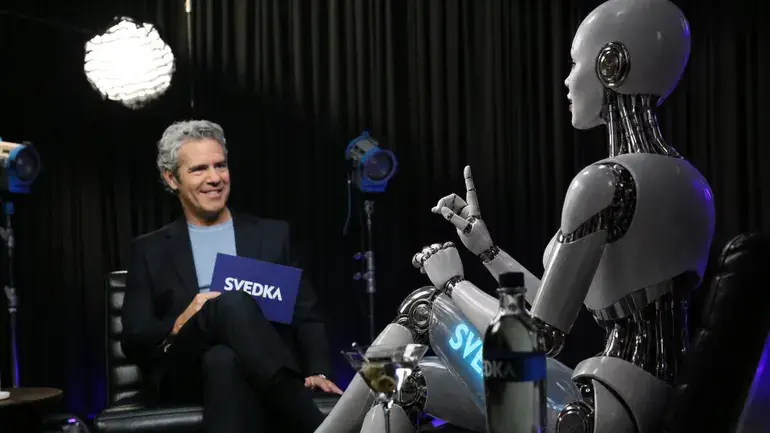
The Svedka consumer ad contest invites 15-second Vodka Water spots and permits AI. The useful lesson is about participation and evaluation.